
Cross Bite

What is a Crossbite?
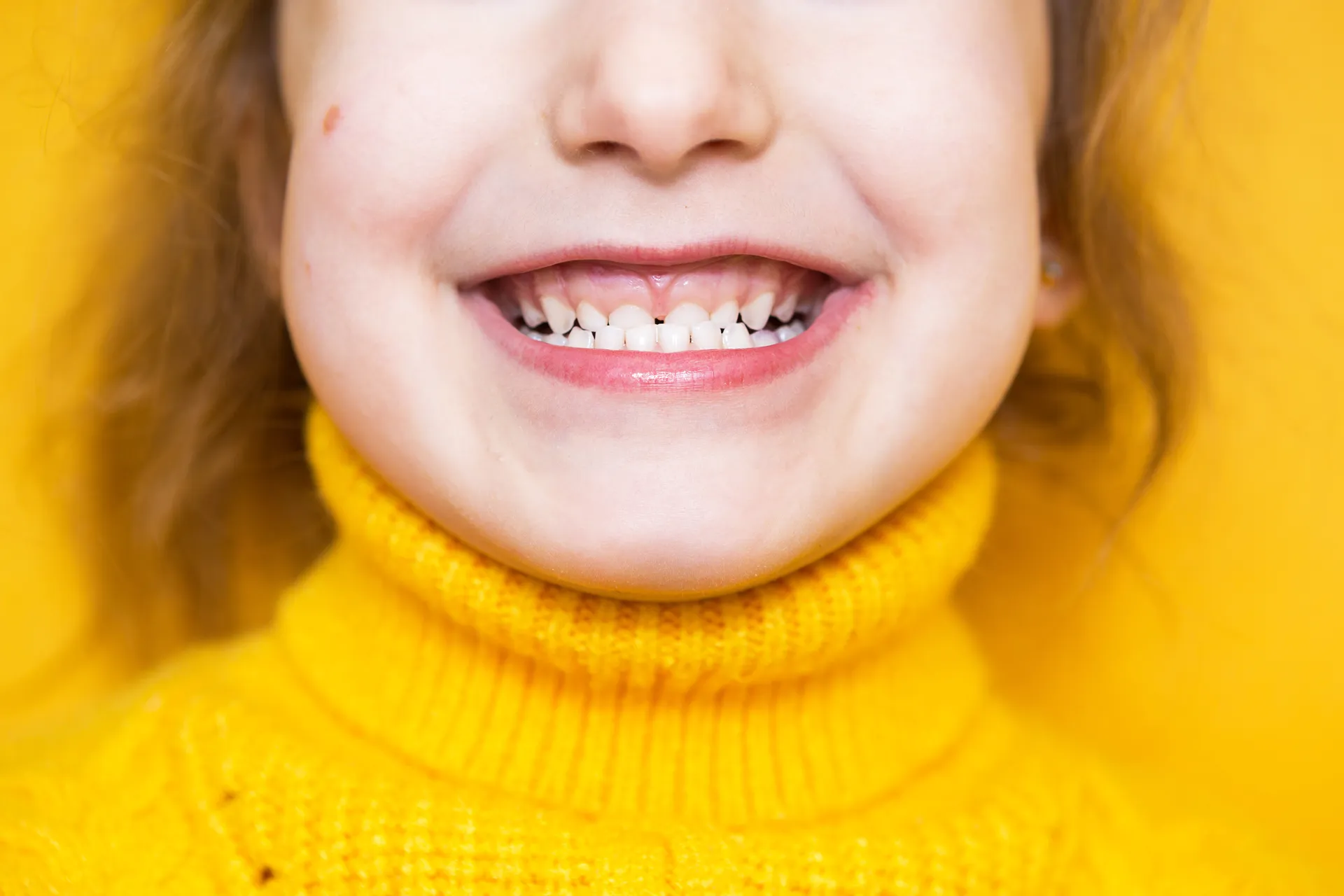
A crossbite is a type of malocclusion (bite problem) where some of the upper teeth sit inside the lower teeth when the mouth is closed, instead of outside them as they normally should. It can affect the front teeth (an anterior crossbite) or the back teeth (a posterior crossbite), and may involve a single tooth or several.
Crossbites are usually caused by the way the teeth and jaws have developed, a mismatch between the size of the upper and lower jaws, teeth that are slow to come through, or childhood habits such as thumb-sucking. Left untreated, a crossbite can lead to uneven tooth wear, gum problems, difficulty biting and chewing, and in some cases can affect the growth and symmetry of the jaw.
Crossbites respond well to orthodontic treatment, and are often best corrected early. Depending on the cause and severity, a crossbite can be treated with braces or clear aligners like Invisalign — sometimes alongside an expander or other appliance to widen the upper jaw — guiding the teeth into a properly aligned, balanced bite. Our specialist orthodontists in Dublin can assess your bite and recommend the most suitable treatment for you.
FAQs
Normally the upper teeth sit slightly outside the lower ones all the way round, like a lid over a box. A crossbite is where that is reversed somewhere, so one or more upper teeth bite inside the lower teeth instead.
It can affect the front teeth or the back, and can involve a single tooth or a whole side of the mouth. More on our crossbite page.
It depends what is causing it. Where the upper jaw is too narrow for the lower and the child is still growing, a palatal expander widens it over a matter of months. That is genuine skeletal correction.
Where the crossbite is down to tooth position rather than jaw width, braces or clear aligners will move the teeth into place. Single-tooth crossbites at the front are usually quick to sort.
Earlier than most other problems. A narrow upper jaw is widened easily in a child of eight or nine, because the join between the two halves of the palate is still open. Once that join fuses in the late teens, the same correction becomes a surgical procedure.
That window is the whole argument for having children assessed from around age seven rather than waiting for all the adult teeth.
Yes, though the options narrow. A crossbite caused by tooth position is corrected with braces or aligners at any age.
Where the upper jaw itself is too narrow, the palate has fused and simple expansion is no longer possible. Options then are surgically assisted expansion, or camouflaging the crossbite by tipping teeth, which works within limits. We will tell you which applies after examining you.
Usually quickly, and it is one of the more rewarding small corrections. A single upper tooth biting inside the lower ones can often be moved out with a simple fixed appliance or a short course of braces, sometimes in a few months.
It is worth doing rather than leaving. A single-tooth crossbite at the front often makes the child shift the jaw to bite comfortably, and that shift is what causes the longer-term problems.
Several things, and the shift is the one that matters most. A posterior crossbite often makes a child slide the lower jaw sideways to find a comfortable bite. Growing for years with the jaw habitually displaced can produce genuine facial asymmetry.
Beyond that, teeth in crossbite wear unevenly, gums can recede on the affected teeth, and chewing is less efficient.
In children, almost always yes. It is a straightforward correction while the jaw is still growing, and the alternative is a jaw shift that can become structural.
In adults the answer is more balanced. A stable crossbite causing no wear, no gum recession and no discomfort can reasonably be left. One that is wearing teeth or causing the jaw to shift is worth treating.
Where there was a jaw shift, yes, and often noticeably. If a child has been sliding the lower jaw to one side to bite together, correcting the crossbite removes the need to do that and the face looks more symmetric when biting.
What it does not do is reshape the jawbone itself. The change is in where the jaw sits, not in its size or form, and anyone promising more than that is overselling it.
Expansion itself is quick. Turning the screw on a palatal expander takes weeks, and the appliance then stays in place for several months while new bone fills the join and the result settles.
A single-tooth crossbite can be corrected in a few months. Where the crossbite is part of a wider problem, it is handled within a full course of braces running eighteen months to two years.

Book a Consultation
Discuss your goals with one of our specialist orthodontists to find out what treatment option suits you best.
Begin Your Journey
Thinking about it? Book your first consultation and come see us — we'll take it from there.