
Spacing

What is Dental Spacing?
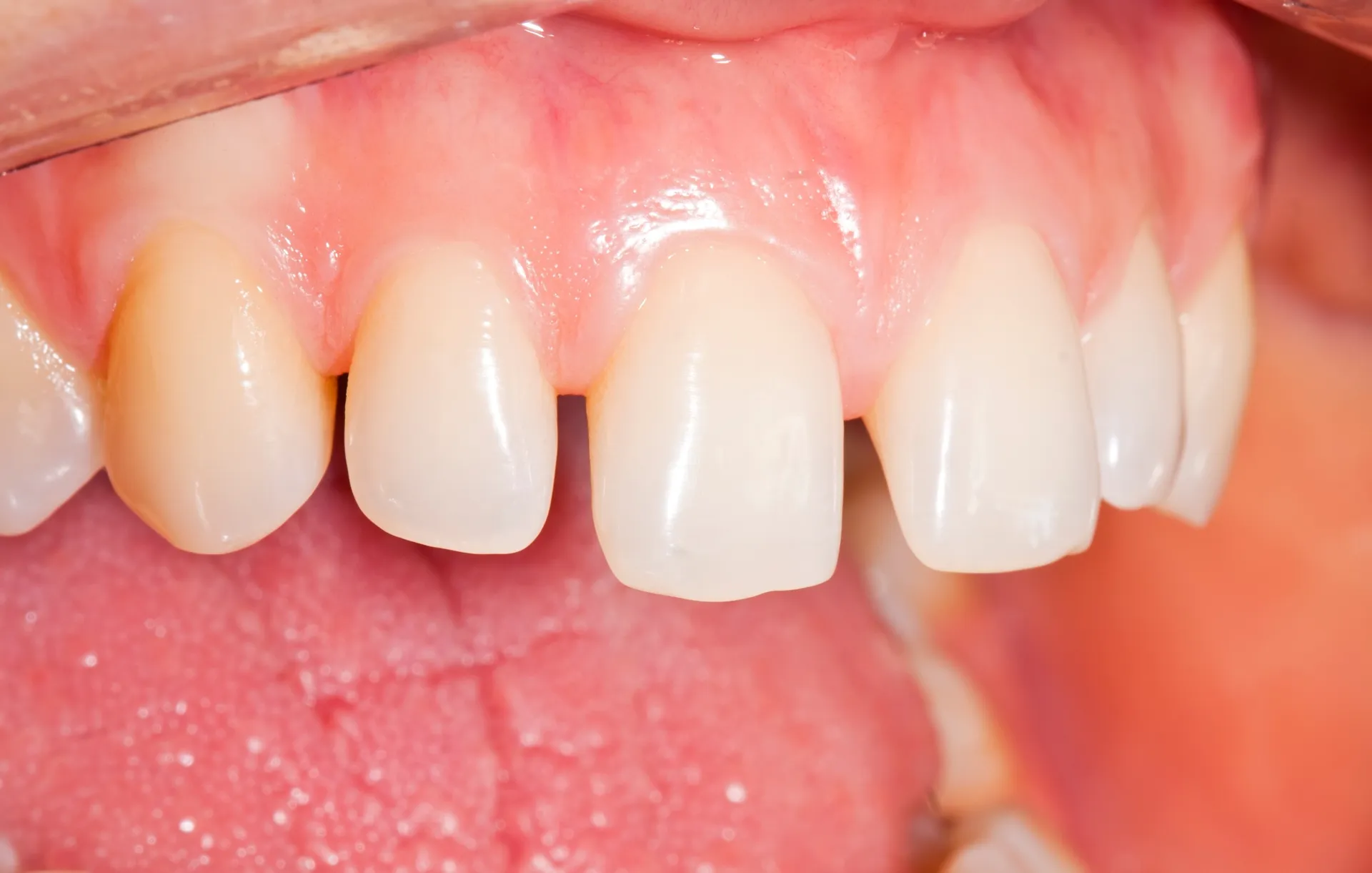
Spacing is a type of malocclusion (bite problem) where there are visible gaps between some or all of the teeth. It's the opposite of crowding and can appear anywhere in the mouth — the most common example is a gap between the two upper front teeth, known as a diastema.
Spacing is usually caused by teeth that are small in relation to the size of the jaw, but it can also result from missing teeth, unusually shaped teeth, a habit of tongue thrusting, or gum problems. While many people are perfectly happy with small gaps, larger spaces can trap food, affect the appearance of the smile and, in some cases, contribute to gum issues.
Spacing responds very well to orthodontic treatment. Depending on the cause, gaps can be closed with braces or clear aligners like Invisalign — sometimes alongside cosmetic or restorative work where teeth are small or missing — to bring the teeth together into an even, balanced smile. Our specialist orthodontists in Dublin can assess your teeth and recommend the most suitable treatment. Book Consultation to get started.
FAQs
Spacing is the opposite of crowding: more room along the jaw than the teeth need, leaving visible gaps. It can appear anywhere, and the best known example is a diastema, the gap between the two upper front teeth.
More on our spacing page.
Usually teeth that are small relative to the size of the jaw, which is inherited. Other causes include teeth that never developed, unusually narrow teeth, a low frenum where the band of tissue between lip and gum sits between the front teeth, and tongue thrusting.
Gum disease is different. Where teeth have drifted apart because supporting bone has been lost, the spacing is a symptom of something that needs treating first.
Braces or clear aligners close gaps predictably, and this is one of the situations where aligners perform very well.
Two things to know. Where teeth are missing or genuinely undersized, closing every gap can leave the remaining teeth looking too wide, so the better plan is often to gather the space in one place and have your dentist build up or replace a tooth. And closed spaces have a strong tendency to reopen, so a bonded retainer behind the front teeth is usually the sensible end point.
No. A diastema causes no harm on its own, and plenty of people like theirs and have no interest in closing it. Spacing does not cause progressive damage the way a deep bite does, so leaving it alone is a perfectly reasonable decision.
The reasons to treat are that you dislike how it looks, that food packs into the gap persistently, or that the spacing is part of a wider bite problem being corrected anyway. It is your call, and we will not push you either way.
Not inherently. A gap between healthy teeth with healthy gums is not a health problem.
What can matter is food packing. Where a gap traps food persistently and it is hard to clean, that raises the risk of decay and gum problems over time. And where gaps have appeared recently in an adult who did not have them before, that is worth investigating, because drifting teeth can be a sign of gum disease.
They can. Gaps that have been there since the adult teeth came through tend to be fairly stable, though they can widen slowly.
Gaps that appear or widen in adulthood are a different matter and should be checked. The usual cause is loss of bone support from gum disease, which lets teeth drift. Treating the gum problem comes before any orthodontics.
Strictly, none. In an ideal arrangement adjacent teeth contact each other, so there is no gap at all.
In practice small spaces are common and cause no trouble. A gap in children between the upper front teeth is often entirely normal and closes on its own once the canines come through, which is why we rarely treat a diastema in a young child.

Book a Consultation
Discuss your goals with one of our specialist orthodontists to find out what treatment option suits you best.
Begin Your Journey
Thinking about it? Book your first consultation and come see us — we'll take it from there.