Protruding Teeth (Overjet)
What are Protruding Teeth?
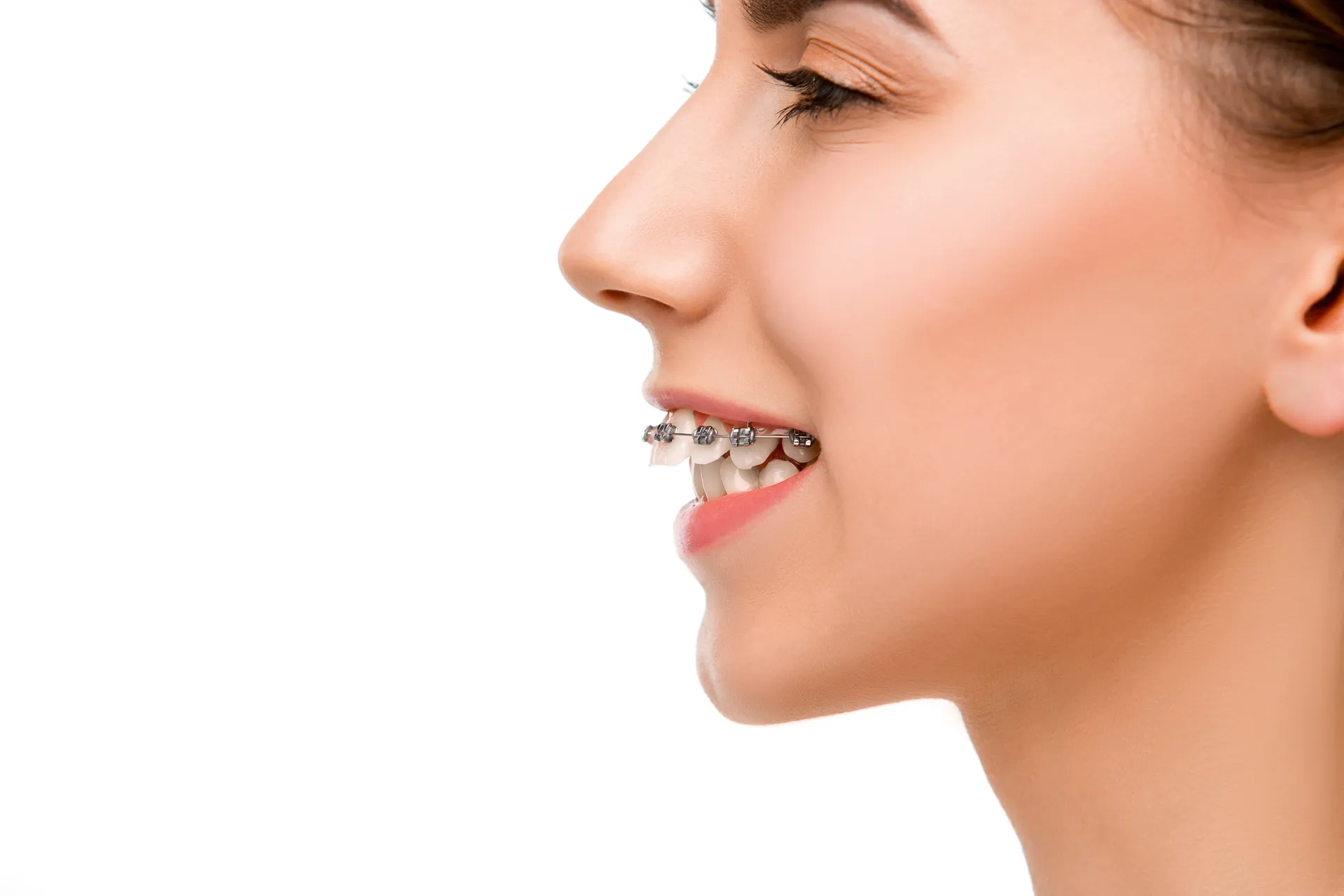
Protruding teeth, often called an increased overjet or buck teeth, is a type of malocclusion (bite problem) where the upper front teeth sit noticeably further forward than the lower ones. A small overjet is normal and healthy. It becomes a concern when the distance is large enough to affect how the teeth meet, how comfortably the lips close, or how likely the front teeth are to be damaged.
It is worth separating this from a deep bite, which describes how far the upper teeth overlap the lower ones vertically. The two often occur together, but they are different problems and are corrected in different ways.
An increased overjet is usually caused by the way the jaws have developed rather than by the teeth themselves. In most cases the lower jaw sits further back than the upper, which makes the upper teeth look prominent by comparison, and less often the upper jaw is set too far forward. Habits such as prolonged thumb sucking can add to it. Because the underlying cause is usually skeletal, treatment aimed only at pulling the upper teeth back gives a poor result where the real issue is the position of the lower jaw.
Beyond appearance, prominent upper front teeth are considerably more likely to be chipped or broken in a fall or a knock, and that risk rises with the size of the overjet. It is a real consideration for active children, and a mouthguard is strongly recommended for contact sport.
Overjets respond well to orthodontic treatment. In growing children, a functional appliance such as a Twin Block can encourage the lower jaw forward during a growth spurt, addressing the cause rather than disguising it, which is one reason early assessment is worthwhile. In adults, braces or clear aligners like Invisalign can retract the upper teeth, sometimes with extractions to create space, and in significant cases orthodontics is combined with jaw surgery. Our specialist orthodontists can assess your bite and recommend the most suitable treatment. Book a consultation to get started.
FAQs
Overjet is the horizontal distance the upper front teeth sit ahead of the lower ones. A few millimetres is normal. An increased overjet, commonly called protruding or prominent front teeth, is where that distance is markedly greater.
It is different from a deep bite, which is vertical overlap. The two often occur together but are corrected differently. More on our overjet page.
They are the same thing described two ways. Protruding teeth, prominent front teeth and buck teeth are all everyday terms for what an orthodontist calls an increased overjet.
The one distinction worth knowing is that the upper teeth often are not protruding at all. In most cases they sit where they should and the lower jaw is set back, which makes them look prominent by comparison.
Yes, and it is one of the more satisfying corrections to make.
In a growing child, a functional appliance such as a Twin Block encourages the lower jaw forward during a growth spurt, addressing the cause rather than disguising it. In adults, braces or clear aligners retract the upper teeth, sometimes with extractions to create the space, and significant cases are treated with surgery alongside orthodontics.
No, and it is worth being direct about that. There are no exercises, no devices sold online and no techniques that will move the jaws or retract the front teeth on their own. The overjet is a skeletal or dental relationship, and changing it requires an appliance that applies controlled force over months.
What you can do naturally is stop a habit that is making it worse, such as thumb sucking or lip trapping. That will prevent further damage, but it will not correct what is already there.
It can, in two ways. In children, a continuing thumb sucking or lip habit pushes the upper front teeth further forward over time. In anyone, if lower teeth crowd or the bite deepens, the upper front teeth can be pushed out further.
Growth matters too. Where the lower jaw grows less than expected through the teenage years, the overjet becomes more noticeable rather than less.
Not always, but there is a real argument for treating a large one beyond appearance. Prominent upper front teeth are considerably more likely to be chipped or broken in a fall or a knock, and that risk rises with the size of the overjet. In active children playing hurling, football or rugby, that is the main reason we recommend treatment.
A small overjet that is stable and causing no problems can reasonably be left alone. A mouthguard is worth wearing for contact sport either way.
Book a Consultation
Discuss your goals with one of our specialist orthodontists to find out what treatment option suits you best.
Begin Your Journey
Thinking about it? Book your first consultation and come see us — we'll take it from there.