
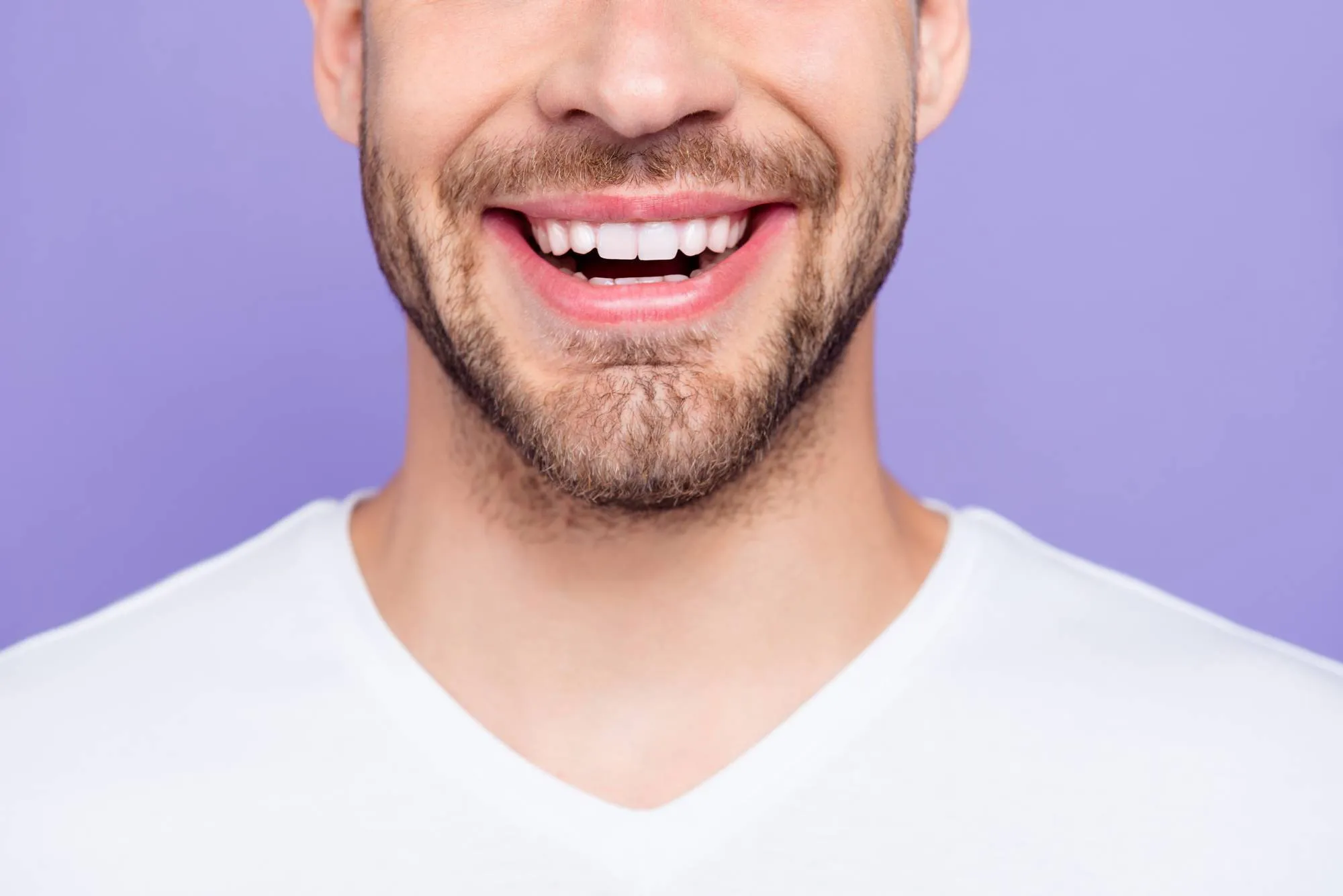

What is Invisalign?
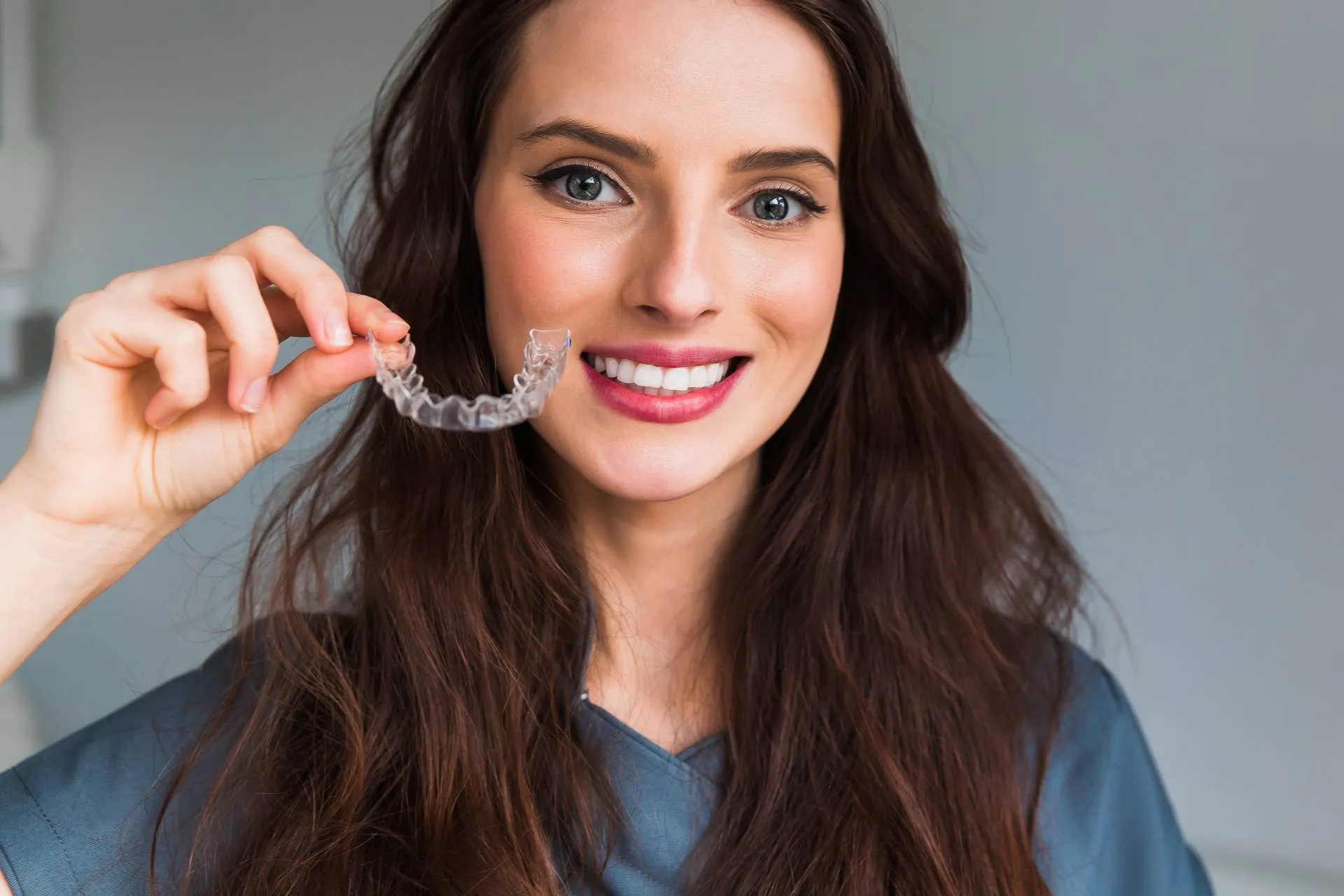
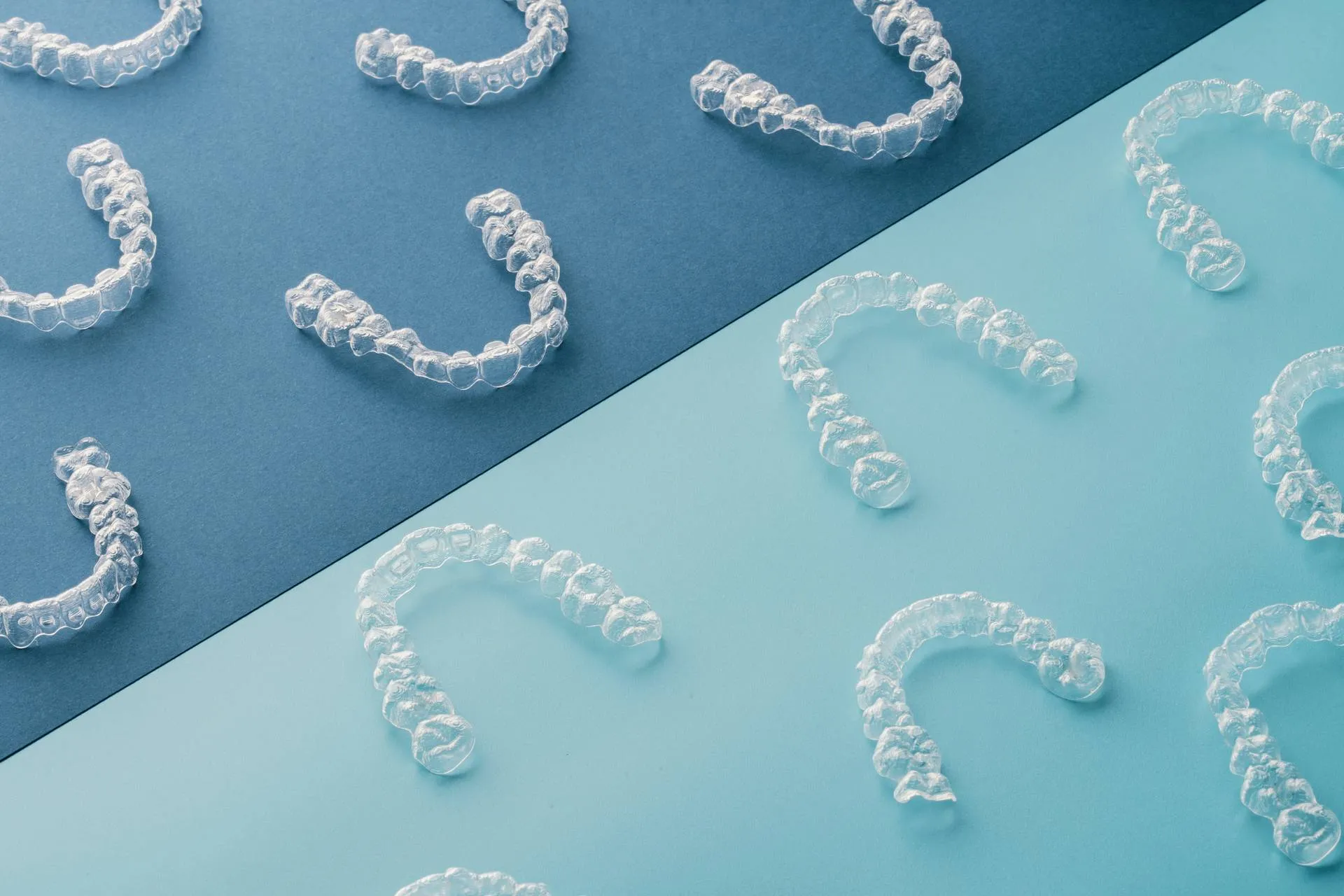
Invisalign straightens teeth using a sequence of clear, removable aligners made to fit your teeth exactly. Each one is shaped slightly differently from the last, so as you work through the series your teeth move gradually towards the position agreed in your plan. There are no brackets and no wires.
It has become the treatment adults ask for most often, and the reason is usually practical rather than cosmetic. The aligners come out. You eat what you like, you brush and floss normally, and you can take them out for a few hours if you genuinely need to, though the results depend on wearing them around 22 hours a day.
Appearance. In ordinary conversation most people will not notice you are wearing them. For patients who have put off treatment for years because of how braces look, that alone is often the deciding factor.
Fewer visits. You will typically see us every eight to ten weeks rather than monthly, and appointments are shorter, which suits people fitting treatment around work.
Not every case suits aligners. Some bite corrections and some rotations are handled better by fixed braces, and we will say so if that applies to you.
Book a consultation to find out whether Invisalign will work for your teeth.

What to expect from Invisalign treatment
We start with a digital scan of your teeth using our iTero scanner, so there are no impression trays. That scan builds a three-dimensional plan showing how your teeth will move, which means you can see the projected outcome before you decide whether to go ahead.
- Each aligner is worn for roughly one to two weeks before you move to the next.
- Aim for about 22 hours a day, taking them out to eat, drink anything other than water, and clean your teeth.
- Small tooth-coloured attachments may be bonded to some teeth to help with trickier movements.
- Appointments at our Ballinteer Road clinic are usually every eight to ten weeks.
- Most treatments run six to fifteen months and use somewhere between eighteen and thirty aligners.
- Retainers afterwards are not optional. Teeth drift back without them.
The one thing that decides how well Invisalign works is wear time. Patients who keep them in do well. Patients who leave them out do not.
Book a consultation at our Dublin 16 clinic.
What does Invisalign cost?
Invisalign generally costs a little more than fixed braces, and the figure varies with how many aligners your case needs. A short course to tidy up mild crowding sits well below a full correction of a difficult bite, which is why we quote only after we have seen your teeth.
You will get a written plan and a firm fee at your consultation. Payments can be spread monthly, interest free, across your treatment, or paid in full at the start for a 5% discount. Orthodontic treatment attracts 20% tax relief and we will complete your MED 2 form.
The fee is all inclusive: every aligner, all appointments, refinements where needed, and your first set of retainers.
Book a consultation at our Dundrum clinic.
The Process

A proper look at your teeth, bite and jaws, and a conversation about what is actually bothering you. We take your dental and medical history, examine you, and take whatever records are needed, which may include X-rays, photographs and a digital scan with our iTero.
You leave knowing what we have found and what the realistic options are, including leaving things alone where that is the right answer.

We review the X-rays, photographs and scan alongside the examination findings and put together a plan specific to you. It sets out the appliance we recommend, how long treatment should take, the fee, and any preparatory work needed first.
This is a two-way appointment. We go through the alternatives, including doing nothing, and answer whatever you want to ask before you decide anything.

Anything that needs sorting before treatment starts. Usually that means a dental cleaning and dealing with existing decay or gum disease with your own dentist, since moving teeth in an unhealthy mouth makes matters worse.
In some cases it also means creating space, either by reducing the width of teeth very slightly or, where crowding is severe, by removing a tooth.

Small tooth-coloured attachments are bonded to some teeth to give the trays something to grip, and you are given your first set of aligners. It takes around twenty minutes and is painless.
We go through wear time, cleaning, and what to do if a tray is lost or damaged before you leave.

Reviews every eight to ten weeks to check the teeth are tracking to the plan. The appointments are short.
Towards the end, most cases need a set of refinement aligners to finish the detail. That is normal rather than a sign anything has gone wrong, and it is included in your fee.

The composite attachments are carefully polished off the teeth, which usually takes half an hour or so and is painless.
We normally place a fine fixed retainer behind the upper and lower front teeth at this appointment, and provide clear retainers to be worn at night.

Teeth drift back towards where they started if nothing holds them, so retainers are the final stage of treatment rather than an optional extra. Most patients wear a clear retainer at night long term, often alongside a fine wire bonded behind the front teeth.
Retainer checks are included for a year after the braces come off. There is more on our retainers page.

Book a Consultation
Discuss your goals with one of our specialist orthodontists to find out what treatment option suits you best.
FAQs
Through a series of clear removable trays, each shaped slightly differently from the last. You wear each one for a week or two, and as you work through the series your teeth move gradually into the planned position. There are no brackets and no wires.
We start with an iTero scan rather than impression trays, which builds a three-dimensional plan you can see before deciding anything. Small tooth-coloured attachments are bonded to some teeth to give the trays something to grip for harder movements. More on our Invisalign page.
Neither is better in the abstract. They are different tools and the right one depends on your teeth.
Invisalign wins on discretion and on convenience, since the trays come out to eat and to brush. Fixed braces win on control, particularly for severe rotations, teeth that need moving bodily through bone, and substantial bite correction. Braces also work around the clock with nothing to remember.
We will tell you which we would recommend for your case and why, rather than steering you towards one.
High, in suitable cases planned by a specialist. The important words there are suitable and planned.
Where treatment falls short it is almost always one of two things: a case that was never right for aligners, or wear time that slipped. Neither is a failing of the system.
Occasionally a case needs refinement trays at the end to finish the detail, and that is normal rather than a sign something went wrong.
Not painful, but each new tray feels tight for a day or two. That pressure is the tray doing its job, and it settles quickly.
Most people find aligners more comfortable than fixed braces, because there is nothing to rub the lip or cheek. The edges can occasionally catch the tongue, and that is easily smoothed.
No, and that is one of the main advantages. The trays come out for every meal, so there are no food restrictions at all. Nothing is off limits the way it is with fixed braces.
The rule is water only while they are in. Anything else, including tea, coffee and fizzy drinks, means taking them out, because sugar and acid trapped under the plastic sits against the enamel. Brush before putting them back in.
Yes. For most sport you simply leave the aligners in and carry on.
For contact sport such as hurling, football or rugby, take them out and wear a mouthguard instead. Keep the trays in their case rather than a pocket, because a crushed tray means a call to us and a gap in your sequence.
Swimming is fine with them in.
Yes, for a few hours, and this is one of the genuine advantages of aligners. A wedding, a presentation or a photograph is not going to derail your treatment.
The caveat is that it has to be occasional. The plan assumes around twenty-two hours a day, so borrowing a few hours now and then is fine, while doing it regularly means the teeth stop tracking and the case runs long.
Put them back in as soon as the event is over rather than at bedtime.
Only if you wear retainers afterwards, and that is true of every orthodontic treatment, not just Invisalign.
Teeth have a natural tendency to drift back towards where they started, and they keep moving slowly throughout life regardless of whether you ever had treatment. A retainer is what holds the result.
So the honest answer is that Invisalign is a permanent fix in the same way braces are: permanent as long as you retain it.
The main one is that it depends entirely on you. Twenty-two hours a day gets you the outcome on the plan. Considerably less gets you a longer treatment and a worse one, and no amount of skill on our side compensates for trays sitting in a pocket.
Beyond that: some rotations, some extraction cases and some bite corrections are handled more predictably by fixed braces. Attachments on the teeth are slightly visible. And you have to take them out to eat and brush every single time, which some people find tedious.
Generally a little more than fixed metal braces, and broadly comparable to ceramic braces. Metal remains the most affordable way to get a properly corrected bite.
Within aligner treatment the fee tracks how many trays your case needs, so a short course to tidy mild crowding sits well below a full bite correction.
We quote after examining your teeth rather than before, and you will get a written plan with a firm figure.
It varies with the case, which is why we do not publish a figure. How many trays you need, whether one arch or both are being treated, and how long treatment runs all move the number.
What we can tell you is how it is paid. Fees can be spread monthly, interest free, across the course of treatment, or settled in full at the start for a 5% discount. Orthodontic treatment is tax deductible at 20% and we complete your MED 2 form for the Revenue claim.
The fee is all inclusive: every tray, all appointments, refinements where needed, and your first set of retainers. Book a consultation for a firm figure.





Read what our patients say about us
"I went to so many dentists about my bite problem only to be dismissed. Dr Adriana and her team gave me a plan, I followed it, and two and a half years later I can smile, eat and bite properly."

"Two of my daughters had braces fitted by the lovely Dr. Katherine Condren. I would highly recommend her services, she was so good with my daughters, we are extremely happy with the service received and they both have beautiful smiles now."
"My bonded retainer came loose and several other practices turned me away. Dundrum Orthodontics saw me straight away and had it fixed within minutes."
"Dr Joseph O’Connor is such a skilled orthodontist. His kindness and attention to detail is outstanding. He takes the time to explain everything and makes you feel very comfortable. Could not recommend him more."
"I got Invisalign here in my forties and could not be happier. My daughter had braces with them a few years ago, and my sister brought her daughter on my recommendation. Exceptional service and amazing results."
"Joseph is a kind, compassionate and skilled orthodontist. He has a beautiful patient manner and his attention to detail is second to none. Highly recommend."
"Coming to the end of my braces and I couldn't be happier. The whole team are friendly and professional, and they take their time to make sure the end result is exactly what you want."
"I had a great experience with Dr O’Connor and his team. Booking was simple and they were very friendly & efficient throughout. Would highly recommended."
"My son got his braces off this morning and I am delighted with the result. Over two years, any worries we had were sorted and every question answered, always with a friendly and professional approach."
"Amazing service, highly professional. Dr O'Connor was really kind and knowledgeable. Would highly recommend!"
"Dr O'Connor is a brilliant orthodontist, the consultation was thorough and he's easy to talk to."
"Extremely happy with the outcome after braces, great attention to detail! Highly recommend."
"A long and difficult process was made easy by their care and attention. The attention to detail and professionalism was second to none."
"The staff are extremely skilled as well as friendly and easy to talk to. I am very happy with my results and with how the whole process was handled."
Begin Your Journey
Thinking about it? Book your first consultation and come see us — we'll take it from there.