


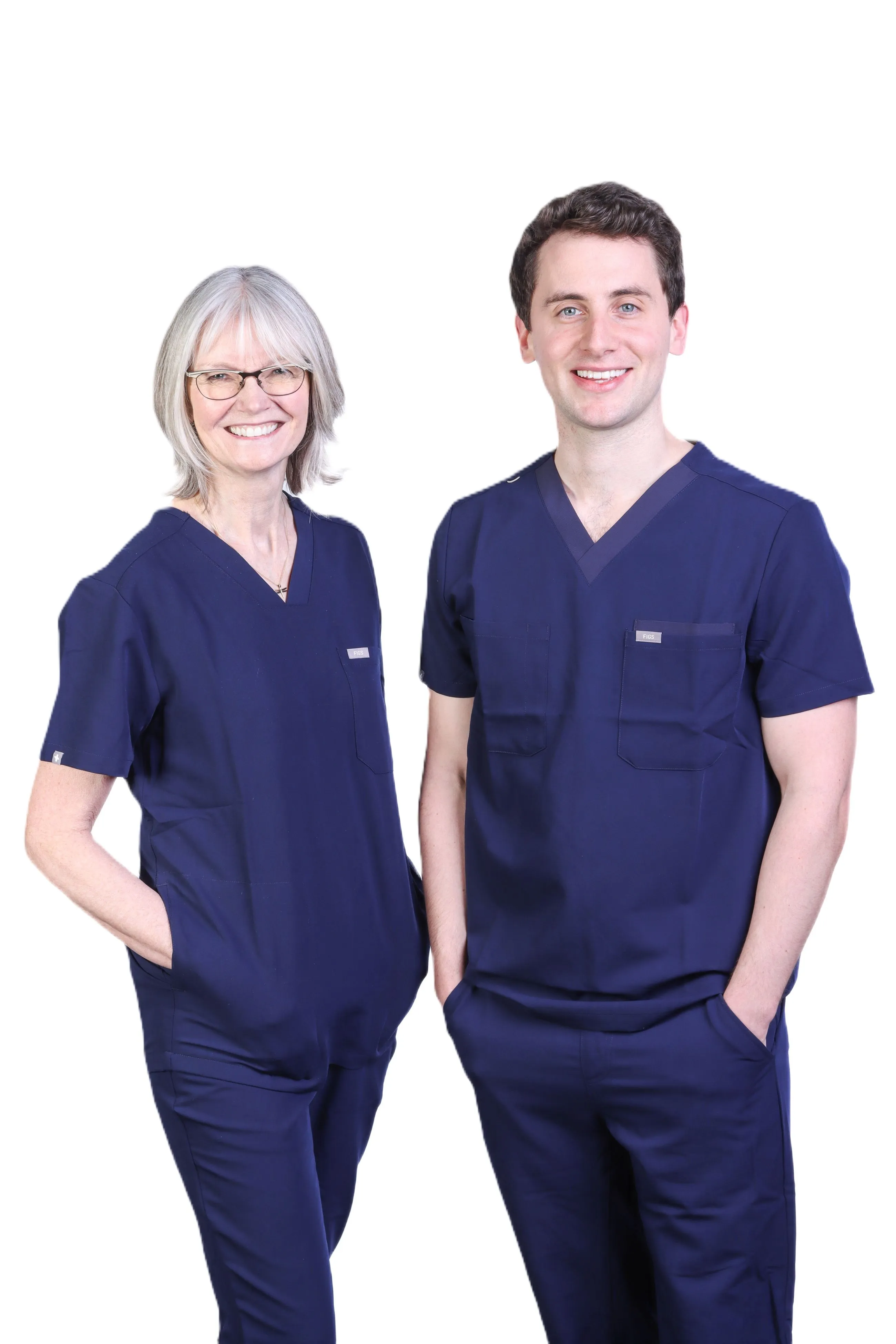
Most people assume an orthodontist is the person who fits braces. That is part of it, but it undersells the job considerably, and the difference matters when you are choosing who treats you.
Every orthodontist is a dentist, but not the other way round
An orthodontist starts with a dental degree, then completes several additional years of full-time, university-based specialist training focused entirely on the alignment of teeth and jaws. In Ireland, those who complete it are entered on the Specialist Register in Orthodontics held by the Dental Council of Ireland.
Worth knowing: any dentist is legally permitted to offer braces or aligners. Being on that register is the part that is verifiable, and you can check it yourself.
What the work actually involves
Straightening teeth is the visible part. Underneath it sits a set of less obvious jobs.
Diagnosis. Working out whether the problem is the teeth or the jaws. A child whose front teeth protrude usually does not have teeth that stick out. They have a lower jaw that sits back, and treating those two situations the same way produces a poor result.
Timing. Particularly in children. A narrow upper jaw can be widened in a nine-year-old over a matter of months. The same correction once the palate has fused becomes a surgical procedure. Knowing when to act, and when to wait, is most of the skill.
Choosing the appliance. Fixed braces, clear aligners, expanders, functional appliances. Each does some things better than others, and matching the tool to the case is a judgement built on volume.
Knowing when not to treat. A good deal of what we do, especially with children, is examining, explaining and saying that nothing is needed yet.
Beyond braces
Orthodontists also plan the tooth movement around jaw surgery with an oral and maxillofacial surgeon, prepare the bite before a dentist places crowns, bridges or implants, and manage retention afterwards, which is what makes any of it last.
When should you see one?
Children should be assessed from around age seven, which is early enough to catch the problems that are hard to fix later and late enough to read the bite properly. Most need nothing for years.
Adults can come at any point. There is no upper age limit, and no referral is needed, though we are glad to receive one.
Book a consultation at our Ballinteer Road clinic in Dundrum.